

Oil Level Indicator
Specification
- Maximum inclination: 15°
- Switching accuracy: < 5% the end of scale 20°C
- Hysteresis value: adjustable gap between all ranges of scale
- Operating point: selectable by pressing the P1 and P2 buttons
- Max viscosity of the fluid: 150 cSt
- Mechanical life: 2×10⁶ cycles at 20°CWorking temperature: -10°C ÷ +90°C
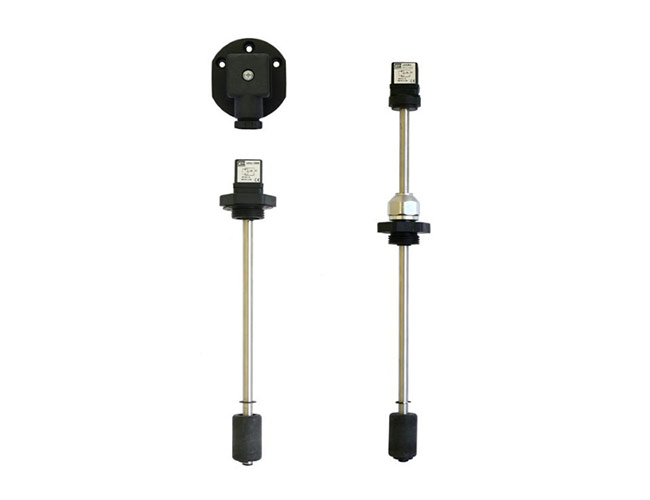
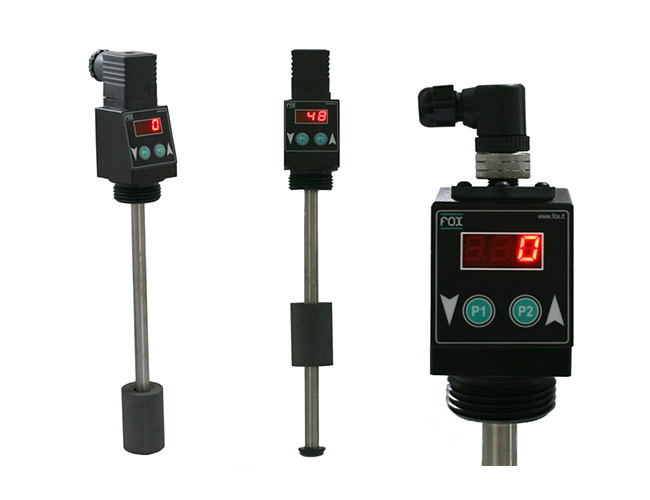
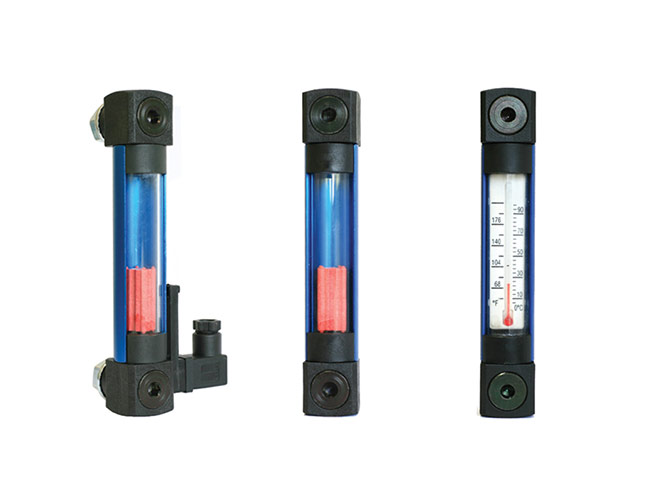
1. Do you supply oil level indicators in the UAE?
Yes. Mega Industrial Equipments supplies oil level indicators across the UAE as part of our hydraulic instrumentation range, alongside oil temperature indicators and hydraulic pressure switches.
2. What is the maximum inclination an oil level indicator can operate at?
15°, allowing the unit to function accurately even when mounted at a slight angle rather than perfectly level.
3. How accurate are your oil level indicators?
Switching accuracy is under 5% of the end of scale at 20°C.
4. What is the hysteresis value on your oil level indicators?
The hysteresis value is adjustable across all ranges of scale, letting you fine-tune the switching gap to suit the application.
5. How is the operating point set on an oil level indicator?
The operating point is selectable directly on the unit by pressing the P1 and P2 buttons.
6. What is the maximum fluid viscosity these oil level indicators can handle?
Up to 150 cSt, covering most standard hydraulic oil viscosities used in industrial systems.
7. What is the mechanical life of your oil level indicators?
2×10⁶ (2 million) cycles at 20°C.
8. What working temperature range do your oil level indicators support?
-10°C to +90°C.
9. Why is monitoring hydraulic oil level important?
Low oil levels can cause pump cavitation, overheating, and accelerated wear on hydraulic components — an oil level indicator gives an early warning before the system runs dry or is damaged.
10. How does an oil level indicator differ from an oil temperature indicator?
An oil level indicator monitors the fluid level within a hydraulic reservoir, while an oil temperature indicator monitors the fluid’s temperature — both are typically used together for complete reservoir monitoring.